
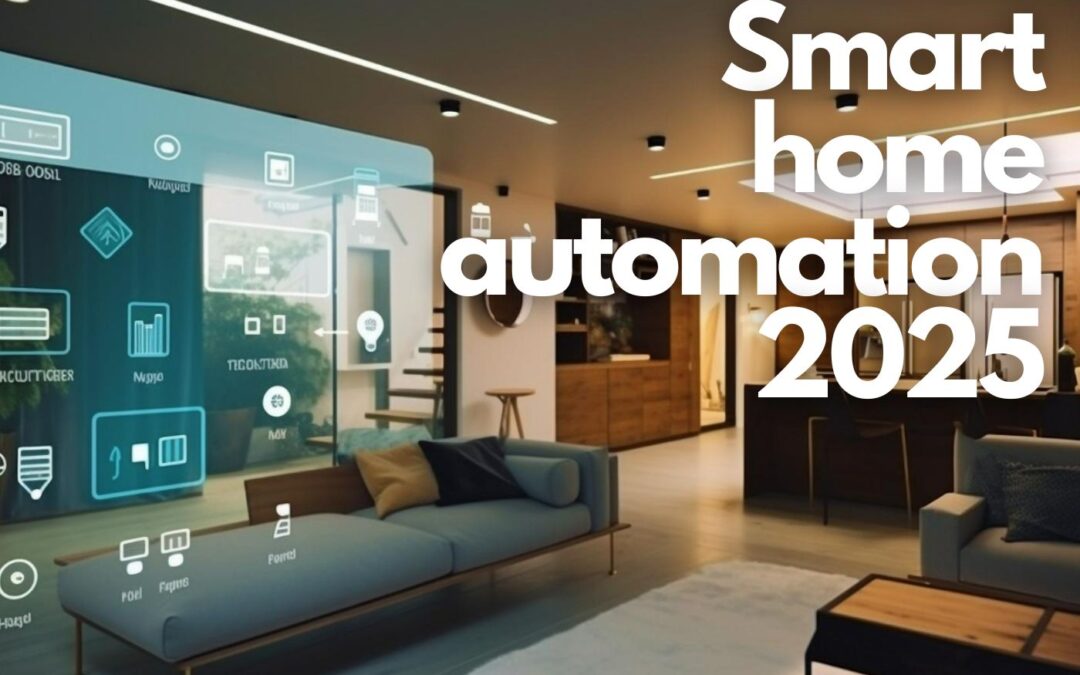
The way we live, work, and interact with our environments is undergoing a rapid transformation. Remote living—once a niche concept—is now becoming mainstream, powered by advances in technology, automation, and connectivity. From smart cities equipped with IoT sensors to smart homes that anticipate residents’ needs, the future promises a more convenient, efficient, and personalized lifestyle.
In 2025, the integration of these innovations is enabling not only smarter infrastructure but also smarter people. People are becoming more adaptive, digitally literate, and capable of leveraging technology to optimize their daily lives, whether for work, leisure, or entertainment. Even platforms like Togelslot88 exemplify how digital tools can enhance online engagement, offering entertainment options accessible from anywhere in a connected world.
Smart Cities: The Backbone of Remote Living
Smart cities are urban environments that leverage digital technologies to improve efficiency, sustainability, and quality of life. Key features include:
-
IoT-Connected Infrastructure: Traffic lights, energy grids, and public transport systems communicate in real-time to reduce congestion and energy waste.
-
Sustainable Solutions: Smart water management, renewable energy integration, and green building standards make cities environmentally friendly.
-
Digital Governance: City services, from permit applications to emergency alerts, are increasingly automated and accessible online.
By combining data analytics with urban planning, smart cities are not only more livable but also more adaptable to the needs of remote workers and residents. Individuals can work from anywhere, attend virtual meetings, and even access services like Togelslot88 from their connected devices, demonstrating the convenience of living in a digitally optimized environment.
Smart Homes: Personalized Comfort and Efficiency
Smart homes are at the core of remote living, transforming ordinary residences into highly responsive, automated environments. Key innovations include:
-
Voice-Activated Devices: Assistants like smart speakers allow residents to control lighting, security systems, and appliances effortlessly.
-
Energy Management Systems: Smart thermostats, lighting, and appliances optimize energy consumption, reducing costs and environmental impact.
-
Remote Monitoring: Security cameras, sensors, and AI-powered alerts provide peace of mind, enabling homeowners to monitor their property from anywhere.
The integration of these technologies makes daily routines more efficient and personalized. For example, someone working remotely can start their day with automated coffee brewing, temperature adjustment, and notifications about local traffic or online platforms like Togelslot88 for leisure breaks.
Smarter People: Digital Literacy and Adaptive Skills
Remote living is not just about smart infrastructure—it also requires smarter people. Inhabitants of smart cities and smart homes must navigate an increasingly digital world with confidence and awareness. This includes:
-
Digital Literacy: Understanding how to use connected devices, cybersecurity tools, and online services effectively.
-
Work-Life Integration: Remote workers balance productivity with personal well-being, aided by AI-based scheduling and home automation.
-
Continuous Learning: Online platforms, virtual courses, and even entertainment platforms like Togelslot88 contribute to cognitive engagement and adaptability.
As technology continues to evolve, individuals who embrace lifelong learning and digital literacy will thrive in remote living environments.
Health, Wellness, and Remote Living
Smart cities and homes are also transforming health and wellness. Wearable devices, telemedicine, and AI-assisted diagnostics allow residents to monitor health indicators in real-time. Urban planning now emphasizes walking paths, green spaces, and air quality monitoring to enhance overall well-being.
Additionally, digital entertainment and social engagement—such as online gaming or virtual communities like Togelslot88—offer mental stimulation and relaxation, helping people maintain a balanced lifestyle while living remotely.
The Role of Connectivity
High-speed internet and 5G networks are the foundation of remote living. Seamless connectivity enables:
-
Remote Work: Virtual offices, cloud collaboration tools, and global communication platforms.
-
Smart City Management: Real-time data collection and analysis for traffic, energy, and emergency services.
-
Entertainment and Leisure: Instant access to online gaming, streaming services, and interactive platforms like Togelslot88.
Reliable connectivity ensures that both work and personal life are uninterrupted, creating a truly flexible lifestyle.
Challenges and Considerations
Despite its promise, remote living comes with challenges:
-
Cybersecurity Risks: More connected devices mean more potential vulnerabilities. Users must adopt strong security practices.
-
Digital Equity: Not everyone has equal access to high-speed internet or smart devices, which can exacerbate social disparities.
-
Mental Health: Constant connectivity can lead to stress and burnout if work-life boundaries are not maintained.
Addressing these challenges will be critical to ensuring the long-term sustainability and inclusivity of remote living.
The Future Outlook
By 2030, remote living is expected to become a standard lifestyle for millions worldwide. Smart cities will offer seamless mobility, optimized energy consumption, and enhanced public services. Smart homes will anticipate resident needs, providing unprecedented levels of comfort and security. Meanwhile, people will continue to evolve, becoming more tech-savvy, adaptive, and globally connected.
Platforms like Togelslot88 highlight the shift toward integrated digital experiences, where work, entertainment, and social engagement coexist within a connected ecosystem.
The future of remote living is bright, powered by the synergy of smart cities, smart homes, and smarter people. Technology is not just simplifying life—it is empowering individuals to live, work, and play in ways previously unimaginable.
From automated home systems to digitally optimized cities, remote living combines convenience, sustainability, and adaptability. And as digital platforms like Togelslot88 demonstrate, entertainment and social interaction are now an essential part of this connected lifestyle.
Ultimately, the success of remote living depends on both infrastructure and human adaptability. Those who embrace smart technologies, continuous learning, and digital literacy will thrive, creating a future where living remotely is not just possible—it’s smarter, safer, and more fulfilling.
Also Reading: Wajib Punya! Peralatan Dapur Modern yang Awet dan Anti Ribet